
The first installment to the Prisca and James Series
October. The vibrant purple blooms of the Jacaranda trees hit James like a wound reopened—sharp, raw, and relentless. He flinched at their beauty, hands shaking, the urge rising in him to strip every blossom from the branches and scatter them across the dirt. Purple. Prisca’s colour.
Their wedding had unfolded beneath the purple blooms of the jacaranda trees at this park on James Gichuru Avenue. No, not she and him—hers and Arnold’s, James corrected himself unnecessarily.
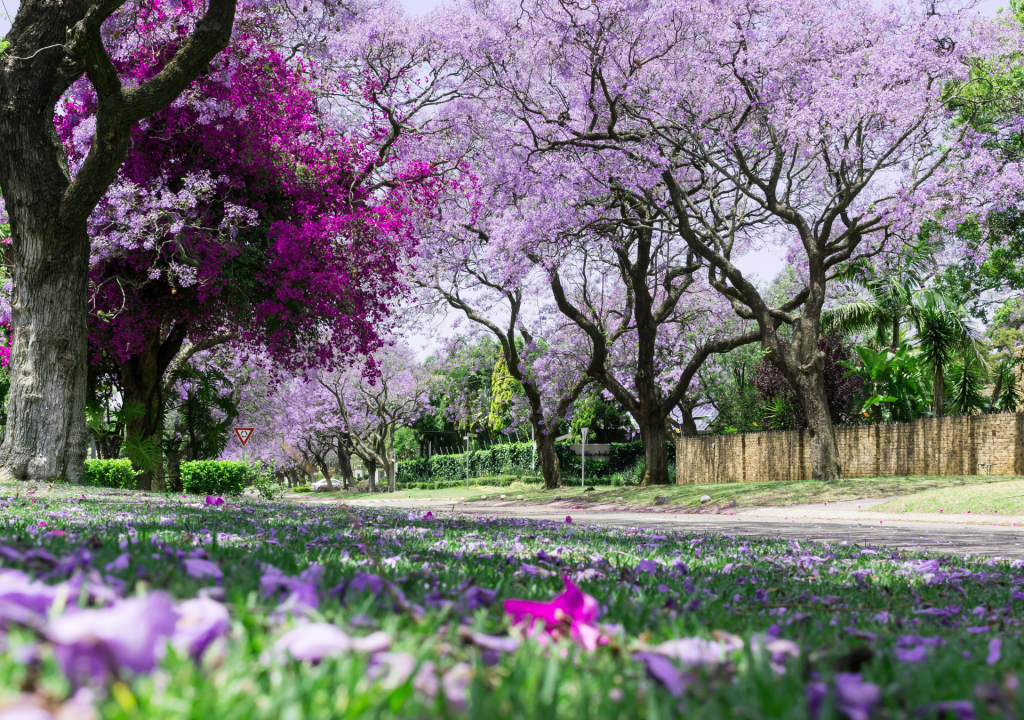
Prisca had glowed with joy, her smile embracing each guest as she walked the purple-lined aisle, the vibrant blooms mirroring her happiness. Happiness, she shared with everyone but James. He had come to the wedding to reconcile himself to the reality: Prisca had married Arnold, not to James.
Under the warm embrace of the afternoon October sun, the wedding guests buzzed with anticipation, their faces glowing as much from joy as from the golden sunlight. There was a sense of excitement in the air, like the hush before a melody begins, with everyone eagerly waiting for the ceremony to unfold. Laughter and light conversation danced through the gentle breeze, while the sunlight played among the purple blossoms, casting soft shadows that only added to the enchanting atmosphere of the day. The guests, dressed in their finest, leaned forward in eager expectation, ready to witness the union they had all gathered to celebrate.
The scene haunted James. He had come back today, one year later, knowing fully well it would haunt him. It was like he was being drawn here by the purple flowers, and by the questions that still lingered in his mind. Why had Prisca chosen this park for her wedding to Arnold? The very spot where he, James, had earlier on asked her to marry him, long before Arnold came into the picture. She had said no. And then she had chosen the same venue to wed Arnold. Why? A game? In any case what had she seen in Arnold that she hadn’t seen in him? They were both Christians, both deeply involved in church life. He, James, had many walks in this small park with Prisca after church on Sundays. She had brought with her picnic lunches to share with him. They had gone visiting together, sat together in public gatherings— all good signs of a build-up in their friendship. When he proposed, he’d been sure of her yes answer.
But she had said no. “Arnold and I have a different plan,” she had explained.
“Who’s Arnold?” James had blurted out, bewildered. He had never heard her speak the name before, never seen a hint of him in their conversations. Why had she been dating James, only for Arnold to suddenly appear out of nowhere?
“He’s in Pokot,” she said. “He’s a missionary there.”
“Wow,” James had replied, taken aback. How could Prisca have known someone living and working in such a remote place?
“What kind of missionary?” He asked. He had a mental list of the usual roles—Bible translators, pastors, community developers—but he couldn’t fit this unknown rival, Arnold, into any of them.
“He’s a veterinarian,” she said, her voice soft yet certain. “He heals livestock and brokers peace between the Pokot and the Turkana.”
“And why him?” The question had slipped out, more out of desperation than careful intent.
“You’re a city boy, James,” Prisca had answered in an unwavering tone. “But my life is pledged to play out in the rugged hills of Pokot — as a community health worker. With Arnold.”
Her words had cut deep. James doubted Prisca was truly suited for life in that unforgiving wilderness. She fitted into the city—effortlessly. Her crisp, white nurse’s uniform—so at ease in the city, where life moved with the hum of electric lights and the buzz of traffic. The dust and heat of Pokot seemed a world apart, a place that could never hold someone like her.
But she had been right about one thing: he was a city boy, through and through—born, raised, and anchored by his career as an engineer to the pulse of urban life.
That was a year ago. She had resigned her nursing job at Aga Khan Hospital and left with Arnold for Pokot. James had done his best to come to terms with his loss. Yet today, as he watched the jacarandas bloom in vivid purple, he realized he had never really let go of his love for Prisca.
Yes, even now, James struggled to understand. He thought he knew her; thought their connection was real, unbreakable. But perhaps he had only seen the side of her that mirrored his own—the part that loved the city, its order, its endless possibilities. He had never seen the woman who longed for …something wilder, untamed, something that Arnold, with his weathered face and steady hands, had somehow represented and had used to win her love.
And as he stood here now, one year later, the purple flowers swaying gently in the afternoon light, he understood that he would never fully reconcile the reality with what he had hoped for; that he had lost a piece of himself; that he had been left with a chronic wound; one that would never heal.
He stayed in the park until the sun dipped below the horizon, until the darkness swallowed the vibrant purple of the jacarandas that reminded him of Prisca. Eventually, he climbed into his Lexus and drove back to his lonely apartment at Lavington Place, his mind swirling with the dazzling shades of purple, unsettling thoughts of Prisca, and the heavy weight of his year-old loss.
***
James sat in his office, leaning over the blueprints of the geothermal system they were about to install. His desk was a maze of technical drawings, highlighted calculations, and notes scrawled in pencil. He traced the intricate network of pipes and pumps with his fingertip, envisioning the flow of heat that would soon circulate underground, providing efficient energy to the national grid. The project was ambitious—demanding precision, careful coordination, and the kind of expertise that James had honed over years in the field.

Just then, his boss, Anders Holmgren, stepped into the office, a broad smile spreading across his weathered face. “You know, James,” he said in his unmistakable Icelandic accent, crossing his arms with a hint of pride, “this is exactly the kind of project that proves why we’re a blue-chip firm. No one else in the market handles installations of this complexity like we do.”
Anders had a commanding presence—tall and solid, with an easy-going air that belied the intensity of his gaze. His silver-streaked hair caught the office light as he leaned over the plans, his blue eyes narrowing as he took in the details. He wore his usual work attire: sturdy trousers, a worn flannel shirt, and a thick leather jacket draped over one arm—a testament to his preference for the field over the boardroom.
James nodded, feeling a flicker of satisfaction. “It’s a challenging setup,” he admitted, pointing to the plans, “but our team has done it before—pumping thousands of litres of geothermal fluid safely and efficiently. We’ll get it right.”
Anders chuckled and clapped him on the back with a firm hand. “That’s the spirit, lad! You have a great future in this firm!”
James turned back to the blueprints, a renewed sense of purpose settling over him. He knew the stakes, and he knew that every measurement, every connection, and every pump installation had to be flawless. It was a blue-chip job, and with Anders’s confidence and expertise driving them, they were the best for a reason.
Their conversation was interrupted by the buzz of James’ phone. Prisca’s name lit up the screen, and James’s heart lurched—a quick, hard palpitation.
“Excuse me, please sir,” James excused himself, stepping away to create distance from his boss.
He hadn’t heard from Prisca since the wedding. Why now? His fingers hesitated but quickly rushed to the answer button.
“Hello, Prisca,” he started cheerfully, then cut himself short…The voice on the other end was choked with sobs, a torrent of tears mingling with broken words.
“James… oh, James… why? Please, James… please… Arnold…” she wailed, her voice cracking.
In that moment, James didn’t know what to think. He barely heard her words but he felt their weight.
“Prisca… Please calm down…. Tell me…What’s wrong?”
“Arnold!” She said. “Oh, no, no. James! Why? Why?” She wailed.
“What about Arnold, Prisca?” he urged. “What’s wrong?”
“Oh, James!” she shrieked, her voice raw with anguish. He could almost see her tear-streaked, contorted face. “Please, James—can you come? I need you! Please, come!”
“Okay, Prisca. I will come.” Then, thinking of the urgency in her sobs, he clarified, “Right away! I am coming, Prisca. Right away.”
***
James gripped the steering wheel tightly as he drove away from the familiar chaos of Nairobi. His mind was racing, the sound of Prisca’s broken voice still ringing in his ears. He had no idea what he would find when he reached Pokot. He did not want to think through the thoughts that were forming in his mind. But he could not help himself…. Arnold! What had he done to Prisca? What would he do to Arnold? He was both terrified and anxious.
The city slowly fell away behind him, replaced by the sprawling green hills of the countryside.
At first, the drive was calming. The highway was smooth, flanked by lush farms and small market towns where women sold fresh fruit under makeshift stalls.

Life here seemed ordinary, untouched by the tension he could feel brewing in his chest. But the further he drove, the more distant this peaceful world became.
As he approached the Great Rift Valley, the landscape shifted dramatically. The road began to curve and twist, dropping into steep, sharp turns. He caught glimpses of the valley below—a vast, open expanse that seemed to go on forever. Normally, he would have paused to take it in, but today his focus was razor-sharp. Every kilometre felt like it was pulling him closer to an inevitable confrontation, one that he wasn’t equipped to deal with.
He stopped briefly in Nakuru to refuel, relieve himself and stretch. Then he resumed his journey, driving hard, guilty that he had lost time by stopping.
The sun hung low as he descended into the valley, its golden light casting long shadows across the road. The land flattened out, turning into arid plains dotted with acacia trees and the occasional herd of cattle. Here, the air felt different—drier, warmer, and more oppressive. Herders, wrapped in bright red shukas, stood watch over their animals, but James barely noticed them. His thoughts were elsewhere, tangled up in what Prisca might have meant by her urgent, tear-filled call.
He pushed on, the road stretching ahead, growing rougher as he crossed into more remote territory. The smooth tarmac gave way to cracked and potholed gravel, slowing his progress. Dust clouds rose in his wake as the Lexus glided over the rugged terrain, handling the bumps and jolts with ease.
The once lush landscape, now replaced by dry, barren earth. His body ached from the bumps and jolts, but he couldn’t afford to stop.
As he drove deeper, and eventually into Pokot country, the isolation grew more tangible. Small settlements appeared sporadically—clusters of mud huts, steadfast against the unforgiving terrain. Children played by the roadside, their laughter at odds with the stark, barren landscape, a joyful contrast to the heaviness weighing on his chest. Men in traditional Pokot attire, spears in hand, observed him as he passed, their gazes inscrutable. The message was unmistakable—he was an outsider in a world that Prisca told him was not his.
The farther north he went, the more inhospitable the land became. The sun was now harsh overhead, its heat searing, the vegetation thinning out until only thorny bushes remained. James’s mind replayed every conversation he had had with Prisca, every moment of doubt and confusion about why she had chosen this life—and why, in this moment, she had called him.
Hundreds of kilometres into his journey, the emotional distance from the life he had left behind felt even greater. As the road narrowed to a rough, dusty track and the landscape grew harsher, James felt the weight of what awaited him. It wasn’t just the looming confrontation with Arnold that haunted him—it was the fear of finding Prisca broken beyond repair in a world he could barely comprehend. Yet one thing was clear: whatever lay ahead, turning back was no longer an option.
When he finally arrived in Sigor, the last town where he knew of Prisca’s whereabouts, a heavy weight settled over him. It was the awareness of how close he was to… to what? He couldn’t quite name it, but the sense of impending reality pressed down on him, tightening with every breath. The night air felt thick and foreboding, the stars barely piercing through a clouded sky.
He pulled into a small petrol station, the harsh fluorescent lights flickering and casting long shadows over the dirt lot.
“Please fill her up,” he told the attendant, a tall, handsome Nilotic whose dark skin blended beautifully with the shadows. The attendant grinned, his brilliant white teeth a stark contrast against the dim surroundings.
James stepped out to stretch. The engine’s hum died, leaving only the distant chirp of insects and the rustle of a faint breeze. He had pushed his car hard—826 kilometres in under 8 hours—but he was relieved to have made it safely.
“How do I get to the Good News Mission Post?” he asked the attendant, his voice feeling strangely loud in the stillness. With a fluid, practiced ease, the attendant gave him directions, pointing down the dusty road.
As James climbed back into the driver’s seat, the attendant’s question caught him off guard. “Who are you visiting there?”
“A missionary couple,” James said, turning the key in the ignition. “Arnold and Prisca.”
The attendant’s expression shifted abruptly. The smile, which had seemed so easy, fell away, replaced by a sombre look that felt like a heavy weight pressing into the stillness of the night. “Ahhh… the cow doctor,” he said, his voice softer, the sadness palpable. “Very sorry about what happened.”
A chill ran down James’s spine. He wanted to ask—What happened? —but his throat tightened, and the words caught. Why didn’t he know? It would be strange to admit his ignorance, so he swallowed his unease and said the only thing that felt safe: “It will be ok.”
“That’s our prayer. So sad,” the attendant replied, his voice communicating empathy, the meaning lost somewhere beyond the flickering lights. The words hung in the air between him and James, vague and unsettling, telling James nothing more than he already knew.
The engine roared to life, but the sense of foreboding lingered as James pulled away, the darkness ahead feeling deeper and more impenetrable than before.
James pulled into the mission post, his headlights slicing through the darkness and illuminating the otherwise dimly lit compound. Whitewashed huts with thatched roofs were arranged neatly in a circular formation. At the centre stood a makeshift tent, its canvas flapping gently in the wind.
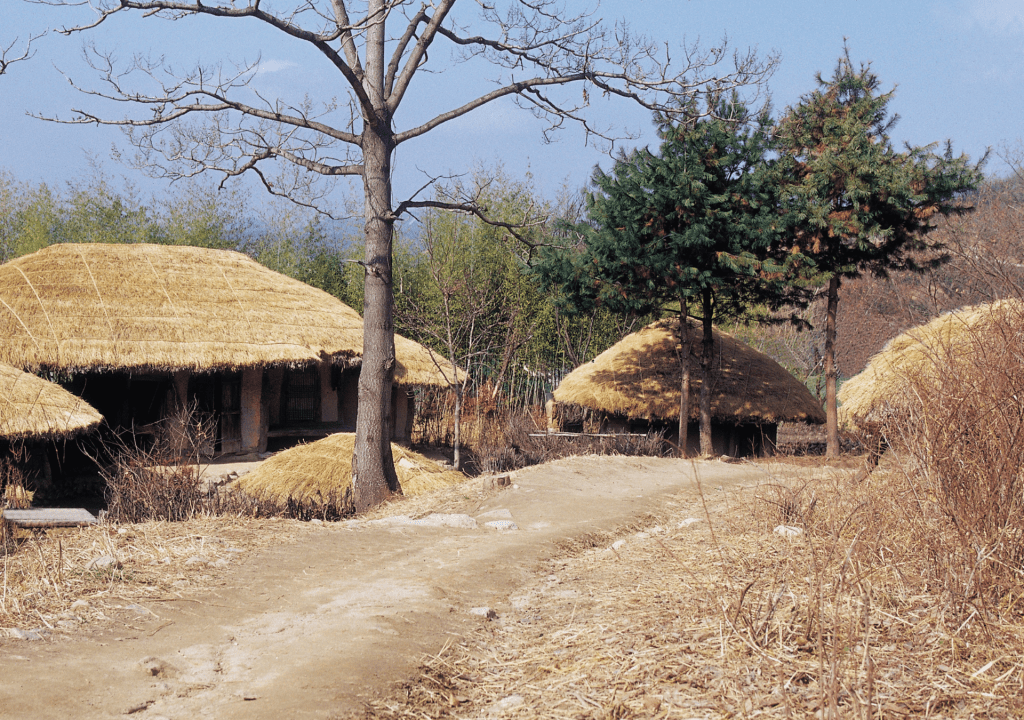
People emerged quietly from the tent, their expressions sombre and weighed down. Whatever had brought them together, the day’s events were clearly over. Yet, their bowed heads and sorrowful faces made James’s heart sink. Whatever had befallen Prisca and Arnold, he knew it was something monumental.
He parked his car, and, from the tent, a man approached—a slim churchman in a simple, worn black suit, with a white clerical collar peeking out from beneath his shirt. The man’s face was etched with the lines of years spent in service, and his eyes reflected a sorrowful kindness.
James stepped out of the car, his heart racing as he met the churchman’s gaze. The man hesitated, as if searching for the right words with which to welcome James. But James couldn’t hold back. “What happened?” he asked, his voice barely above a whisper.
The churchman took a deep breath, his voice steady and gentle. “I will tell you,” he said, gesturing for James to step aside.
“I’m Nathan, a co-worker of Arnold,” he introduced himself.
“I’m James, their friend from Nairobi,” James replied, itching to hear more.
They moved away from the car, putting some distance between themselves and the tent. Nathan’s face was composed, but his eyes carried a weight of heaviness. In slow, measured words, he began to recount the events—the rising tensions between the Turkana and Pokot, Arnold’s relentless efforts to mediate, and the tragic moment when he was caught in the crossfire of a deadly clash between the two warring tribes.
“And?” James pressed, his impatience betraying his anxiety.
“And,” Nathan said quietly, “tragically, he was killed.”
James froze, his mind refusing to grasp the words. “Who?” he demanded, his voice rising.
“Arnold,” Nathan repeated.
Are you sure?” James asked, disbelief tightening his chest. He had imagined a hundred scenarios—ones where Arnold was the instigator, stirring conflict in a confrontation between him and Prisca—but never this, a tragic ending where Arnold paid the ultimate price.
The churchman escorted James toward one of the huts, and with each step, the weight of the situation settled heavily on him. Arnold was dead, and Prisca needed him. But to what end? The uncertainty gnawed at him.
As they walked, the churchman’s silence deepened the sense of dread that hung in the air. Finally, the man gently nodded toward the door of a hut, and James’s heart raced. With a heavy heart, he followed his escort, each step feeling like a descent into a nightmarish reality.
After a brief knock, the churchman opened the door and ushered James inside. He immediately recognized Prisca among other women in the room. His heart nearly leapt out of his chest.
She stood, a delicate figure in the dim light, a black shawl pulled tightly over her head, revealing only her furrowed brow and tear-streaked cheeks — beautiful even in grief. James’s heart ached to hold her, to pull her into his arms and offer comfort. But unspoken cultural boundaries lay between them like an unyielding wall.
She extended a trembling hand, and he took it gently in both of his, the warmth of her touch contrasting sharply to the cold ache of what he couldn’t express. He understood, yet the restraint felt like a deep, stinging wound.
“You came,” she said softly, wiping away the last of her tears.
“Of course,” James replied, his voice barely more than a whisper. He wanted to say more, but his mind felt hollow, stripped bare by the raw, heartbreaking beauty of her grief-stricken face.
“Thank you,” Prisca said, her voice carrying a fragile note of strength. Yet the sorrow in her eyes spoke of an anguish too deep for words, a grief that seemed to swallow the room. She turned slightly, her gaze shifting to the group gathered around her.
“This is James,” she announced quietly, introducing him with a simple gesture. “Our friend from Nairobi.”
A large, matriarchal woman, who seemed to carry the authority of the group, stepped forward, her presence both comforting and commanding. “Welcome, James,” she said warmly. “We are here to stand with our sister in this time of profound sorrow. My name is Mary Cheptoyoi.”
“Thank you… all, for standing with her,” James managed, feeling the inadequacy of his words in the face of their shared grief.
The churchman dragged two straight-backed, nicely crafted wooden chairs to a corner of the room, a respectable distance from the cluster of mourning women. “Please, have a seat,” he said, motioning James to one of the chairs before settling into the other.
A hush fell over the room as a hymn began—in Pokot. James recognized the tune; they were singing Eliza E. Hewitt’s “When We All Get to Heaven.”
He hummed along, a sense of belonging settling over him among these people of a different community, but with whom he, Prisca, and Arnold shared a hope and a destiny. The women sang softly, their voices rising and falling, a collective breath of sorrow and faith weaving through the shadows, filling the dim space with solemnity and hope.
After the hymn, the matriarch stood and addressed them, opening a well-worn Bible to 2 Corinthians. Her voice was steady, yet tender, as she read: “We are hard pressed on every side, but not crushed; perplexed, but not in despair.” Her words were like a balm, gentle yet piercing, offering a thread of comfort to their friend as she clung to the raw edge of grief.
James was exhausted from the long journey and the weight of grief that surrounded him. He fought to stay awake, but the low murmur of voices, the flickering glow of the kerosene lamps, and the cool, dry Pokot air lulled him into a restless doze. Shadows danced on the mud walls as he drifted in and out of shallow sleep, caught between the present and the memories of what had been lost.
He began to dream—he and Prisca walking and running playfully, together in a park. She was radiant, one hand in his, the other playing with delicate purple jacaranda flowers. Suddenly, he jolted awake, startled by a gentle voice and the scrape of a chair against the floor.
Prisca had been bending over them, speaking in a low tone with the churchman.
Her hand gently touched James on the shoulder.
“You’re tired,” she said. “Nathan will show you where you’ll spend the night.”
The churchman, Nathan, led James through the quiet compound, past the tent and the embers of dying fires. He brought him into a small hut lit by the soft, yellow light of a kerosene lamp. The air was still, and James felt a strange sense of peace despite the heaviness in his heart. The man gestured to a modest table covered with a simple cloth, revealing a meal of ugali, greens and a glass of thick, sour milk.
“Please eat and rest,” Nathan said, then added apologetically. “I need to return to the tent and attend to the others.”
James sat down on the bed, stared blankly at the meal, then removed his shoes and lay down on the thin mattress, fully dressed. He fell asleep almost instantly, only to wake up hours later, shivering in the chill of the Pokot night. Realizing he’d left his bag in the car, he stripped down to his undershirt and slipped beneath clean sheets.
The beautiful, melodic sounds of birdsong roused James from sleep. Rays of dawn streaked into the room through the gaps between the planks of the hut’s door and the small window above his bed. He sat up, momentarily disoriented, unsure of where he was. Then it all came rushing back to him.
He walked through the dew-covered compound to Prisca’s house, where the smell of boiled maize and fresh tea filled the air. Two women moved quietly around the kitchen, tending to breakfast. They greeted him with respectful nods, and soon he was sitting at a small wooden table by the window.
Prisca joined him, a faint smile gracing her lips, though the weight of grief was etched deeply in her eyes. James noticed how her silky skin seemed to glow in the soft morning light.
“You’ve kept yourself well,” he remarked, his voice warm with genuine admiration.
“It’s the glow of pregnancy,” she replied, a fleeting happiness enveloping her for a moment.
The words hit him like a thunderclap, his heart racing with a tumult of emotions.
“You are…?”
“Yes, James,” she replied, her voice both frail and resolute. “I am pregnant. I am carrying Arnold’s child.”
They sat across from each other, a silent understanding filling the space between them. Memories and possibilities lingered, unspoken. James looked into Prisca’s eyes, catching glimpses of the woman he had once dreamed of sharing a life with—her laughter, her passion, the quiet warmth that had drawn him to her.
Prisca’s gaze lingered on him, her thoughts slipping back to the day she had turned down his proposal. She remembered the flicker of hurt and disbelief on his face. Then, Arnold had seemed the only viable option of a future for her — in the wilderness of Pokot land. Now, with Arnold gone, an unbidden thought stirred—a possibility… No! She rebuked herself sharply. Such thoughts must not be allowed to brew at this time….
Each sensed the other’s unspoken thoughts, a wordless understanding passing between them. The air was charged with shared grief and the ghosts of paths not taken, a reminder of life’s fragile edges. And in that stillness, they both recognized an uncharted future—one inevitably bound by the legacy of Arnold’s memory, both as Prisca’s late husband and now, in the form of the child she carried, bearing his image.
“Eat,” she urged him softly, breaking the silence.
James glanced down, regarding the simple meal before him as though it were an unwelcome intruder at their table. “You should eat too,” he replied, his voice low and hesitant.
At first, it was awkward—two people fumbling for words in a room heavy with loss. But slowly, they found a rhythm, speaking in the hushed, careful tones reserved for mourners, each sidestepping the deeper conversation they both knew was unfolding silently in their minds.
Through the window, James glanced outside. A donkey was approaching, laden with four jerrycans of water. It trudged slowly, its handler keeping a steady pace behind it.
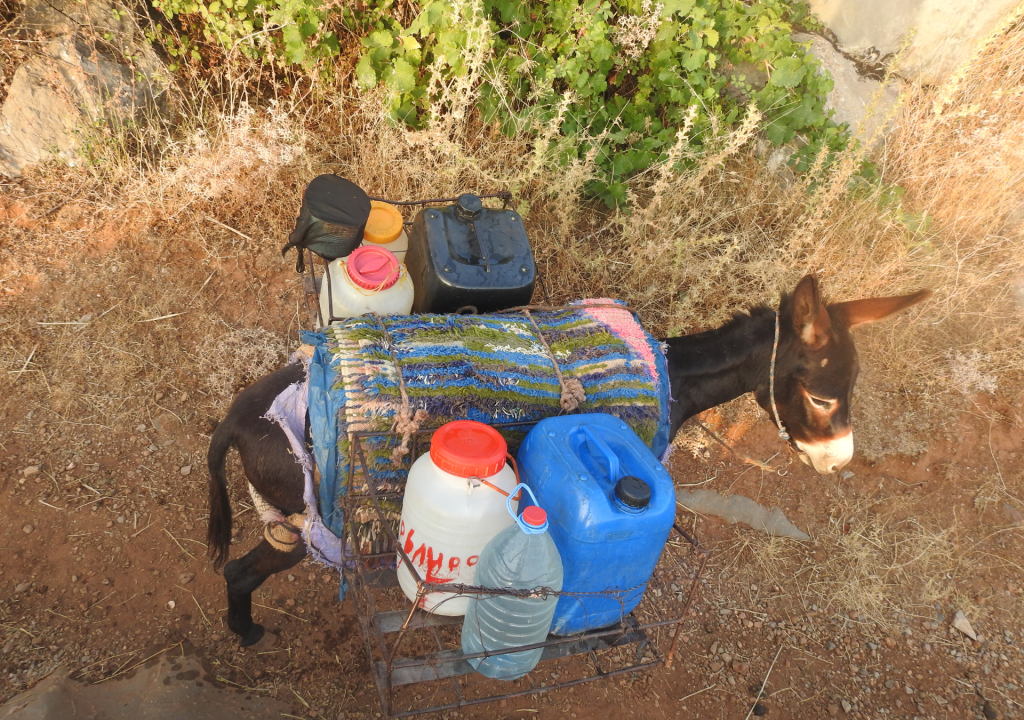
“You don’t have piped water?” he asked Prisca, surprised.
“We used to,” she said with a sigh. “The borehole pump broke down last month.”
James felt a flicker of purpose ignite within him. “I could take a look at it,” he said. He almost added, before I go back to Nairobi, but the words caught in his throat. How could he leave her now?
Impulsively, he pulled out his phone, dialled his boss, and requested a week off. “I’m in Pokot,” he said, his voice steady. “I need to stay here for a funeral—a close friend.”
Later that morning, he and Prisca walked the dusty path to the borehole, its metal pump rusting under the harsh sun.
“Nathan can show you around the pump…” Prisca began, but James waved his arm to quieten her.
“I will do fine.…” he said. He was eager for a chance to speak to her alone, away from the watchful eyes of the community.
They spoke of Arnold’s death as James examined the pump. “It was an accident,” Prisca said, her voice carrying a thread of sorrow.
“How did it happen?”
“He was part of a peace initiative— UNDP funded,” she explained. “They ventured into a Turkana village in a group. The Turkana were attacking the Pokot.”
When James did not say anything, she continued, “The Turkana didn’t mean to kill him. But it doesn’t change what happened.”
“Are you safe here?” he asked, his tone urgent.
Prisca nodded. “Among the Pokot, I am. And even with the Turkana, there’s a fragile peace.”
After inspecting the pump, James realized the issue was a simple cracked seal, easily fixable.
“I need to go to Eldoret for the parts to fix the pump,” he told Prisca, hoping she’d offer to accompany him, and knowing she would not. It wouldn’t be proper for him to drive off the village alone with a married woman — right after the death of her husband.
“It can wait…” Prisca started to say and James stopped her.
“No, no,” he said. “It’s the least I can do…for you and the community.”
Accompanied by Nathan, James made the long drive to Eldoret, navigating the bumpy, dusty roads with a determination that surprised even him. He bought the parts, feeling a rush of urgency with each passing hour, and made it back just before the sun began to dip below the horizon. As soon as they returned, he got to work. By nightfall, the pump roared to life, sending a gush of fresh, cool water into the tank.
The sound of flowing water brought the community running. Men, women, and children gathered around the storage tank, faces alive with joy and relief. Laughter and cheers filled the dry twilight air, echoing off the nearby hills. Even the livestock seemed to celebrate, pressing close to the troughs, eager to drink.
Prisca stood beside him, a blend of pride and gratitude softening her expression. “You did that,” she said, her voice steady but thick with emotion. Her eyes glistened, and James couldn’t tell if it was from the gratitude she felt or the lingering grief for her husband—or perhaps a mixture of both.
“It may seem small to you, but to them, it means everything,” she added. And James could see it, not only in their faces but in the quiet thankfulness even their animals seemed to communicate.
James met her gaze, feeling a warmth rise in his chest—a satisfaction far deeper than any he had known in his high-powered career in Nairobi. There, he had catered to blue-chip clients, surrounded by the polish and order of the corporate world. But here, in this dusty, remote corner of the world, where a simple water pump could transform the rhythm of a community’s pulse, he felt an unexpected sense of fulfilment. It was a feeling that made the city and its relentless pace seem distant, almost irrelevant, like another, new life altogether.
***
Arnold’s funeral was a solemn yet deeply moving ceremony, held under the vast, open sky of the mission compound. The late afternoon sun cast long shadows over the crowd, bathing the scene in a soft, golden light. A sense of quiet reverence hung in the air, broken only by the murmur of hymns and the gentle rustling of the wind.
“It was as if Arnold knew,” Prisca said softly. She sat beside James at the front of the congregation, her voice stuttering out of her throat. “He had always wished to be buried here if he died.”
She paused, her eyes barely holding back her tears. The large, matriarchal figure of Mary, now a comforting presence to James also, sat on Prisca’s other side. She wrapped her arm around Prisca’s shoulders, gently wiping away her tears with a towel-like, purple handkerchief.
“But when we talked about it, we always thought it would be far in the future… after we’d grown old together,” Prisca continued, her voice trembling with the weight of dreams now lost. James sat quietly beside her; grateful he hadn’t spoken. This was a moment to listen, not to fill the silence with words.
Around them, hundreds of Pokot people had gathered, forming a sea of mournful faces. There was sorrow, but also profound respect and gratitude etched into their expressions. The Pokot love cows, and Arnold, as a veterinarian, played a role that was far greater than even the best of friends or brother could have done. He had saved their herds, treating cattle and goats with a skill that had earned him a place in their hearts. Today, they honoured him as one of their own.
The funeral was simple but powerful, conducted in a mixture of Pokot and Swahili. Hymns rose into the air, accompanied by the gentle thud of a traditional drum. Under the bright, cloudless sky, the loss felt both personal and collective—a shared grief for a man who had become part of their community, even in death.
A local elder stood to speak, his voice breaking with emotion. He shared the story of a devastating time when illness had swept through his herd, threatening to wipe out his livelihood. He recounted how Arnold had arrived in the dead of night, carrying a case of supplies and a calm assurance. Using a special acaricide, Arnold had brought the outbreak under control. “He saved my herd,” the elder said, his voice thick with gratitude. “He saved my family’s future. To us, he was more than just a vet—he was a gift from God.”
Other stories followed, each one painting a picture of Arnold’s dedication and the deep bonds he had formed with the people. Each testimony seemed to deepen the grief that settled over the gathering, but also the sense of shared love for a man who had given so much.
At last the conducting local pastor stood before the crowd in his well-worn robe, Bible in hand. He spoke of peace, of sacrifice, and of the ultimate reconciliation that Jesus Christ had brought through His death. “Arnold knew that true peace can only be found in Christ,” the pastor said, his voice carrying across the dusty compound. “His life was a testimony to that peace, and today we honour that.”
As the pastor’s final words echoed in the quiet, Nathan, the churchman who had been Arnold’s closest work colleague, stood up and raised his herdsman’s staff for attention. The gathered crowd fell still, sensing something unexpected was about to unfold.
“I have a message from our neighbours,” Nathan said, his voice steady despite the tension. “From the Turkana.”
A collective gasp rippled through the crowd. The tension was palpable; these were the very people responsible for Arnold’s death, and now, during mourning, they sought a voice. Nathan continued, explaining that an emissary from the Turkana had come, asking for permission to convey their condolences. The murmur of discontent and uncertainty rose, but slowly, with Nathan’s urging, the crowd agreed. A boy was sent to fetch the emissary waiting at the outskirts of the compound.
The silence was deafening as the emissary walked into the funeral space—a tall, graceful man draped in a faded shuka, his face grave and respectful. He stood a few paces away from the gathering, his head bowed in humility. When he finally spoke, his voice was hoarse with emotion.
“I come on behalf of the Turkana people,” he began, his gaze settling first on Prisca, then sweeping over the gathered crowd. “We are deeply sorry for what happened.” He paused, reading the room carefully before he went on. “It was an accident, a tragic mistake in a moment of our uncontrolled anger. Arnold was never our enemy, and his death has grieved us as well.”
James noted the emphasis the mzee made in the ownership of their crime: our uncontrolled anger. That was bold.
There were murmurs in the crowd, some nodding in acceptance, others stiffening in distrust. But the emissary continued, his tone unwavering. “We do not come empty-handed,” he said. “We bring with us a token of our sorrow—a gesture to show that we understand the loss we have caused.”
He motioned, and from the distance came a line of Turkana herdsmen leading a procession of livestock: fifty cows, ten camels, and a large, white bull.
The animals moved slowly, their hooves stirring up the dry soil, as they were led to the centre of the gathering and stood there, a living testament to the Turkana’s apology. Gasps of surprise and disbelief rippled through the crowd. This was no small gift; it was a significant gesture, comparable to the dowry that was typically paid during a marriage. It was an acknowledgement of both the weight of the loss and the desire to make amends.
The emissary turned back to Prisca, his eyes filled with sorrow. “These animals are for you,” he said. “For the wife of the man we took from this world. We ask for your forgiveness. We cannot bring Arnold back, but we hope that this will help you and your community to heal. And, mamie,” the man paused to look directly at Prisca, then continued, “please, we beg you, to stay here, and continue attending to our women.”
Prisca stood silent, her face a mask of calm, though tears ran freely down her cheeks. Every eye was upon her, waiting for her response. After what felt like an eternity, she took a step forward and placed a hand on the white bull’s flank. Her voice, when it came, was quiet but clear.
“Thank you,” she said, her words measured and heavy with emotion. “I will accept your apology. I know that Arnold would have wanted peace between us. Let this be a beginning — of true peace between the Pokot and the Turkana.”
A ripple of relief passed through the crowd. Some Pokot women wept openly; men nodded solemnly. The tension, which had been so thick, began to dissipate, replaced by a fragile hope. The animals were led away to be cared for, and the emissary took his leave with a respectful bow, retreating as quietly as he had come.
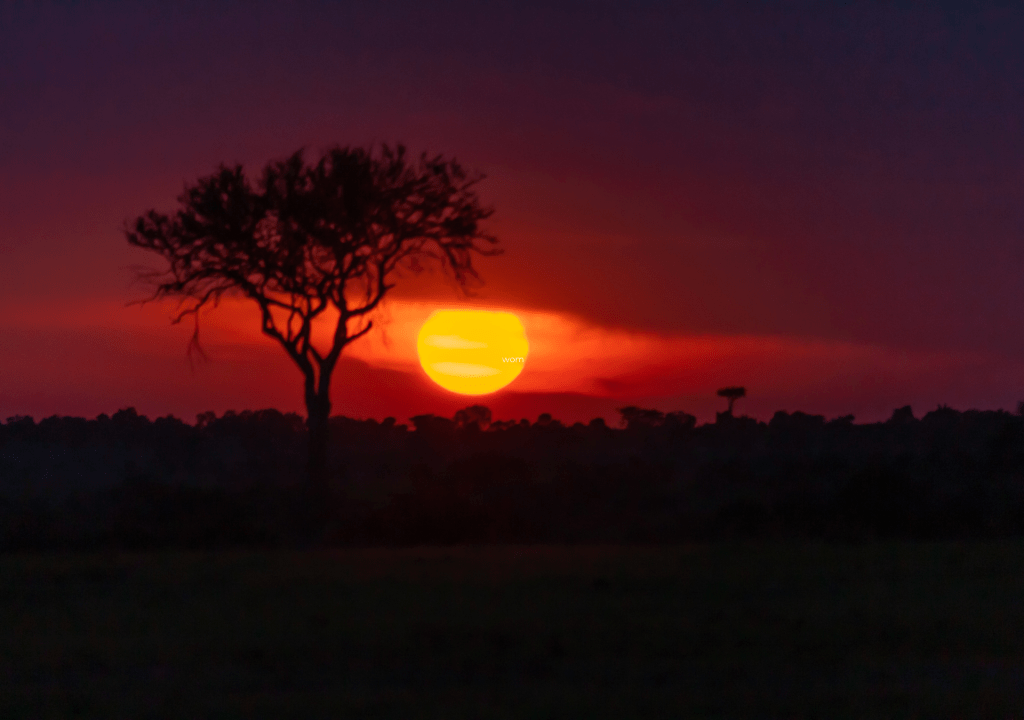
Nathan closed the service with a prayer for reconciliation and healing, his voice rising in the twilight air, blending with the sound of lowing cattle and distant drums. It was a day of mourning, but also of unexpected grace—a moment of fragile unity in a land divided by so much. As the sun dipped below the horizon, casting long shadows over the compound, the Pokot and Turkana stood together, bound by the loss of a man who had bridged their worlds.
***
In the days following the funeral, the mission compound bustled with activity. Men from the community rallied around Prisca, their solidarity evident as they worked to construct a sturdy kraal for her new herd. The newly acquired livestock, a symbol of reconciliation from the Turkana, needed proper care, and the Pokot men showed up in numbers to ensure everything was ready.
Nathan had found a reliable young herdboy who quickly took charge of guiding the animals to graze alongside other village herds. The sight of the livestock being driven out at dawn, blending with the familiar sounds of the village, gave a sense of normalcy amidst the grief.
The makeshift structures that had been set up to accommodate visitors for the funeral were slowly dismantled. Cooking fires that had burned all night, feeding mourners and friends, were extinguished. And borrowed chairs were returned to the church.
Bit by bit, the mission compound returned to its quieter, everyday rhythms. Yet, the ache of Arnold’s absence lingered in the air, especially for Prisca and those who had been closest to him.
James knew that his time in Pokot was drawing to a close. He had helped as much as he could, but the pull of his life in Nairobi was undeniable. He needed to find a way to say goodbye—a proper farewell that left room for the unspoken words between him and Prisca.
They stood by the newly functioning borehole, the spot that had become a sort of sanctuary for them both. The rhythmic thrum of the pump filled the silence between them as fresh water gushed out, flowing into the large storage tank. It was the only place they could be alone, yet still within sight of the community. In a place where privacy was a luxury and everything was visible, the borehole offered them a chance to speak without fear of judgement. It was public enough to be appropriate but secluded enough to feel like they were, for a moment, in their own world.
James searched for words, but none seemed adequate. Prisca stood across from him, her eyes reflecting a mix of gratitude, pain, and an unspoken understanding of what was left unaddressed between them. They both knew the history that lay between them—the unfulfilled what-ifs that had remained untouched ever since Arnold entered her life. Neither of them had acknowledged it aloud, and now was not the time to begin. Yet the air between them buzzed with all that was unsaid.
Prisca broke the silence, her voice steady but tinged with emotion. “Thank you, James. For everything. You’ve been here… when I needed someone the most.”
James swallowed hard, feeling a knot tighten in his chest. He wanted to tell her how he had always cared, how he had wished things had been different, but the words remained lodged in his throat. Instead, he simply nodded.
“I should be thanking you,” he said softly. “For letting me be a part of this. Of Arnold’s farewell… and of your life here. It’s… more than I deserved.”
They stood there for a long, silent moment, neither moving. Then, with a quiet resolve, James extended his hand, and Prisca took it—a gesture that felt both formal and profoundly personal, as if marking a boundary they both understood. He released her hand, and the moment slipped away, passing like the clear water running from the pump.
But then, with sudden abandon, Prisca threw her arms around him, holding him tightly. She knew eyes were on them, but she didn’t care.
When they finally stepped back, they both sensed it: something between them had shifted, and whatever lay ahead was just beginning.
As they turned to leave the borehole, the reality settled in—Prisca would stay, and he would go. Whatever might have been was a question left unanswered, lingering between them like a shadow in the bright Pokot sun.
“James,” Prisca said, as if re-opening a closed chapter, “these people need someone to guide them now that Arnold is gone. I can’t do it alone. I don’t know if I can reach the men in the way Arnold did.”
What was he to say? He was sure he knew what Prisca was telling him…. But, if he could have had a way of responding directly, he would have invited her to resign from her missionary work and go back with him to Nairobi. There they could explore a new way forward… including, well, now that Arnold was not in the picture…. he stopped himself quickly, but he could not stop his words….
“I am a city boy, Prisca…”
“Stop it, James!” she said sharply. “Which city boy could have fixed a water pump that keeps God’s people and animals supplied with water?”
James looked down at his hands. His fingernails had not gotten clean from the day he stained them with grease from the pump.
“I’m not Arnold,” he said, his voice raw.
“No,” Prisca said softly, “you’re not. But God brought you here after He called Arnold home. And that’s a start.”
He wanted to object, to remind her of the life he had waiting for him back in Nairobi—the geothermal system, the meetings, the deadlines, the comfort of routine. But the words died on his lips. Instead, he found himself saying, “I don’t know how I’d support myself — and you –here. I’m not a missionary. I’ve never raised funds.”
“Neither have I,” Prisca replied. “But God has always provided.”
Her words were simple, but they held a conviction that shook him. The decision loomed, impossibly large, yet the thought of leaving felt like a betrayal—of Arnold’s sacrifice, of Prisca’s courage, and of his own awakening.
As the sun dipped below the hills, casting long shadows across the compound, James made his decision.
He said quietly, his heart pounding. “I’ll be back. Let me go to Nairobi first – to think. And to bring some supplies.”
Prisca’s eyes shone with gratitude and relief, and she reached for his hand. He held it tightly.
***
He returned a week later, driving a truck loaded with his belongings, as well as bags of grain and a pile of shopping—gifts to share with Prisca and the community. This time, he settled into a larger hut than the one he had used during Arnold’s funeral, a sign that his stay would be longer.
When he arrived at the compound, Prisca was nowhere in sight. Mary, who had practically moved in with Prisca since the funeral, greeted him warmly.
“Where’s Prisca?” he asked, looking around for any sign of her.
“She’s at work,” Mary replied with a knowing smile. “It’s maternity clinic day. Nathan can take you there if you’d like.”
Without hesitation, James nodded. “Yes, I’d like that.”
Nathan led him to the clinic, where they found Prisca in the midst of her work, surrounded by nearly fifty expectant mothers. She moved with a calm efficiency—professional, caring, methodical. Some of the women were young, some older, each carrying a hopeful glow as they waited their turn. Many of them had brought gifts: jars of honey, containers of sour milk, small tokens of gratitude for the care they were receiving.
“Pokot and Turkana women,” Nathan explained, as if sharing a quiet truth. “In the clinic, there are no tribal barriers.”
James observed from a distance, his heart swelling with pride. In that humble, makeshift clinic, Prisca was more than a healer—she was a bridge, carrying peace and hope with every interaction.
She moved with gentle authority through the clinic, decisively and focused, as she tended to each patient in turn. Pokot and Turkana mothers waited patiently, children nestled against their backs or tugging at their skirts. She spoke softly, her voice warm and reassuring, breaking down barriers as naturally as she handed out medicine and comfort. With steady hands, she checked pulses, examined children, and offered words of encouragement, moving seamlessly between the languages and customs of the two tribes.
At last, he understood what she had meant when she spoke of finding purpose here, far from the familiar ease of city life. She was woven into the fabric of both tribes, welcomed as one of their own—a bridge, a vessel of healing for these women, just as Arnold had been for the men.
That evening, they sat around the dinner table in Prisca’s house. Mary, ever gracious, had prepared a hearty meal of millet ugali and goat meat, and the warmth of the home felt cozy despite the evening chill. After the meal, James shared the plans he had been holding back.
“I’ll be here part-time for now,” he said. “A few days every month… until I complete my veterinary training.”
Prisca’s eyes widened in surprise. “Veterinary training?” she asked, puzzled.
“Yes,” he nodded with determination. “I’ve enrolled in a two-year diploma course—basic veterinary skills, very hands-on.”
Prisca’s face broke into a broad smile, her eyes shining with a mix of relief and admiration. “I was wrong about you,” she said softly.
“What do you mean?” James asked, curious.
“I thought you were just a city boy,” she said, shaking her head slightly. “But I was wrong.”
They both laughed, a lightness settling between them as they chatted about anything but Arnold. It was as if, for a moment, they had stepped out from under the shadow of the past and into something new, something fragile yet hopeful.
As James walked back to his hut that night, under a clear sky scattered with stars, he felt a surge of contentment unlike anything he had ever known. He had no idea what the future would hold or how things might play out, but he was certain of one thing: he was the happiest man in the world.
Did you enjoy today’s short story? Please let me know my leaving a comment below. I’d love to hear your thoughts! Happy Monday!
 Haron Wachira